
Ridgewood
Toothache Emergency: Causes and Relief


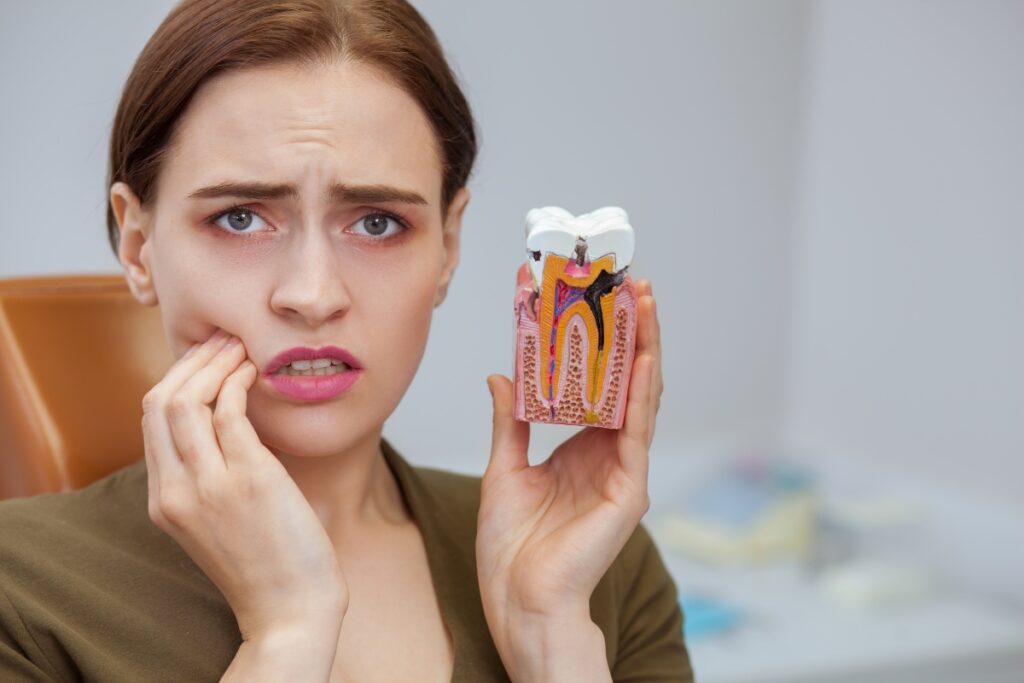
A toothache can strike unexpectedly, causing intense discomfort and affecting your day-to-day activities. If the pain is severe or persistent, it could signal a dental emergency that requires immediate attention. Understanding the causes of toothaches and knowing when to seek emergency dental care can help prevent further complications.
Want to explore the underlying causes of toothache or why you need an emergency dentist to relieve pain quickly? Read this blog for valuable insights into immediate care for dental discomfort.
Common Causes of Toothaches
Toothaches can be caused by a variety of issues, from minor irritation to serious conditions. Here are the most common causes:
Tooth Decay
Untreated tooth decay is the most frequent cause of tooth pain. When cavities form, they expose the sensitive nerves inside the tooth, leading to sharp pain.
Abscessed Tooth
An infected tooth root can lead to an abscess, which causes severe throbbing pain. If left untreated, abscesses often require root canal treatment or extraction.
Gum Disease
Gum infections, or periodontitis, can lead to inflammation and pain. If untreated, it can cause tooth loss.
Cracked or Broken Tooth
A cracked teeth or break in a tooth can expose nerves, resulting in sudden, sharp pain. This may require dental restoration or extraction.
Sinus Infection
Sinus pressure or infection can cause pain in the upper teeth, especially if the sinuses are near the roots.
Teeth Grinding (Bruxism)
Grinding your teeth, especially at night, can cause tooth sensitivity and pain in the jaw.
Impacted Wisdom Teeth
When wisdom teeth don’t have enough room to emerge, they can cause pain, swelling, and discomfort.When Does a Toothache Become an Emergency?
While many toothaches are mild and can be treated with over-the-counter pain relief, others demand immediate care. You should consider a toothache an emergency in the following situations:
Severe Pain: If the pain is constant, sharp, or throbbing, it might indicate an infection or abscess that needs urgent care. If biting down or touching your tooth causes extreme pain, it could be due to nerve exposure or an infection.
Swelling and Fever: Swelling around the tooth and a fever could be signs of an abscess or infection. If untreated, this can spread to other areas of the body.
Trauma or Injury: If you experience a sudden injury to your tooth, such as a fall or accident, this may lead to a cracked or knocked-out tooth.
Bleeding Gums: If your gums are bleeding along with the pain, it could indicate advanced gum disease or a more serious infection.
Difficulty Breathing or Swallowing: This could be a sign of a severe infection, and you should seek immediate medical attention.
How Emergency Dentists Provide Relief?
Your emergency dentist in Westwood has the essential skills to treat tooth pain quickly and alleviate discomfort. After determining the underlying causes, here’s how they can help:
Pain Management
The first step in any emergency dental visit is pain relief. Dentists may use local anesthesia or prescribed pain medications to control severe pain and make the procedure more comfortable.
Diagnosis and Treatment
After a thorough examination, the dentist will diagnose the cause of your pain. For example, if you have an abscessed tooth, they might recommend a root canal to remove the infection and save the tooth.
Temporary Solutions
If the issue cannot be fully treated on the spot, the dentist may provide a temporary solution. For example, they may apply a temporary filling or crown to ease the pain until permanent treatment is available.
Tooth Extraction
In severe cases where the tooth cannot be saved, an emergency dentist may recommend an extraction. This is often the case for cracked or severely decayed teeth.
Antibiotics for Infections
If you have an infection, the dentist may prescribe antibiotics to reduce swelling and prevent the infection from spreading.
Restoration and Repair
If your tooth is cracked or damaged, the dentist may restore it with a filling, crown, or other restorative procedure to protect it and relieve pain.
Toothaches should never be ignored, especially if they become severe or persistent. Understanding when to seek emergency dental care can help you avoid unnecessary pain and prevent further complications. Whether you’re dealing with a tooth infection, a cracked tooth, or a trauma-related issue, emergency dentistry offers prompt relief.
If you experience a dental emergency, don’t hesitate to contact our emergency dentist in Westwood. At Mid-County Endodontic Group, we preserve your tooth and alleviate pain with immediate care. Schedule your appointment now!


New patients and emergency appointments welcome
Call Us
Request Appointment