
Ridgewood
How to Manage Tooth Trauma and Avoid Long Term Damage


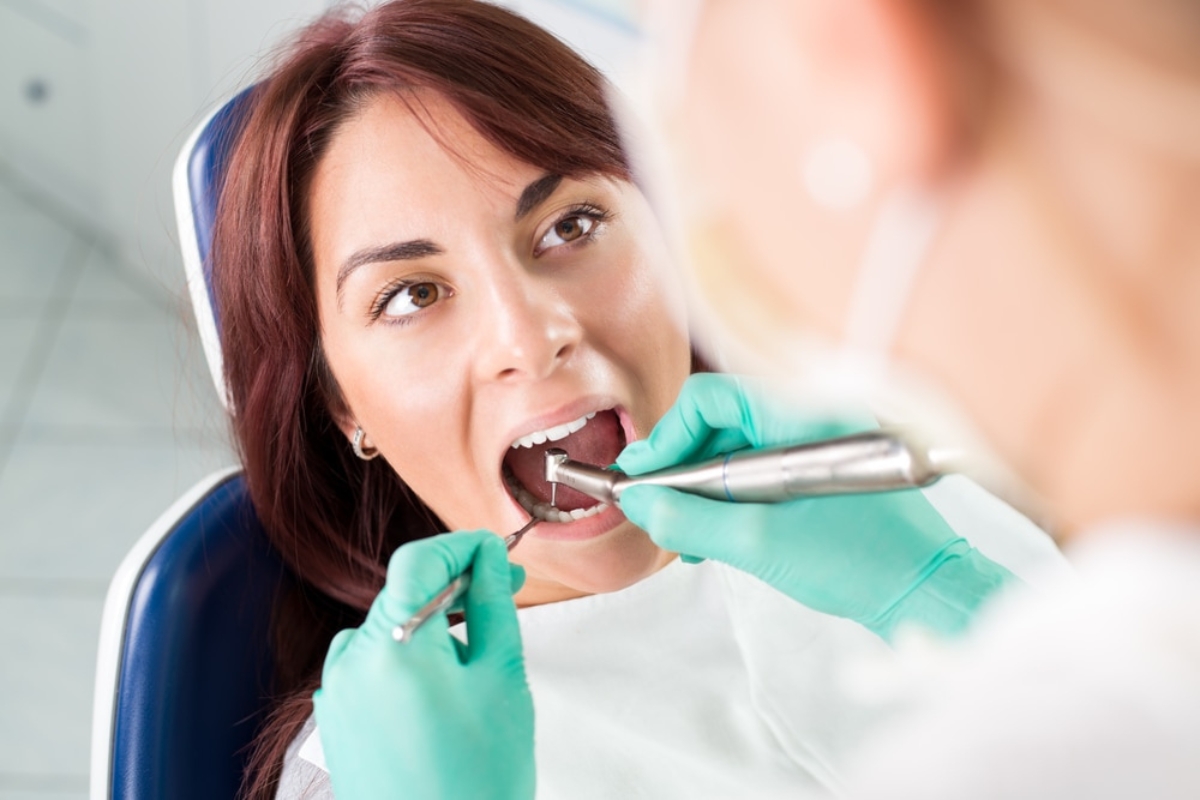
Dental trauma can occur unexpectedly, whether due to a sports injury, a car accident, or simply a slip and fall. When a tooth is damaged, it’s crucial to seek prompt care to avoid long-term consequences that can affect your oral health. At Mid-County Endodontic Group, P.A., located in Westwood, we specialize in dental trauma treatment to help you manage injuries and preserve your smile. In this blog, we’ll explore how to properly manage tooth trauma and prevent long-term damage to your teeth.
What Is Dental Trauma?
Dental trauma refers to injuries that affect the teeth, gums, and surrounding structures. These injuries can range from minor chips or cracks to severe fractures and tooth avulsion (complete tooth loss). The type of trauma a tooth experiences will determine the severity of the damage and the appropriate treatment required.
Types of Tooth Trauma
Understanding the different types of tooth trauma is essential to managing the injury effectively. Common types of dental trauma include:
1. Chipped or Cracked Teeth
A chipped or cracked tooth might occur due to a fall, an accident, or biting down on something hard. While a minor crack might not immediately affect the tooth’s function, untreated cracks can lead to infections or further damage over time.
2. Fractured Teeth
Fractured teeth are more severe than chips and may involve deep cracks extending into the pulp (the innermost part of the tooth). A fractured tooth can be extremely painful and may require root canal therapy to preserve the tooth.
3. Tooth Displacement
In some cases, a tooth may become loose or even shift position due to trauma. Displacement can result in long-term problems if not treated promptly.
4. Avulsed Teeth (Knocked-Out Teeth)
A knocked-out tooth is one of the most severe forms of dental trauma. The tooth may still be saved if it’s treated quickly and correctly.
Immediate Steps for Managing Tooth Trauma
Regardless of the type of trauma, quick action is crucial in minimizing the risk of permanent damage. Here’s how to manage dental trauma immediately:
1. For a Chipped or Cracked Tooth
- Rinse your mouth with warm water to clean the area.
- Apply a cold compress to reduce swelling and pain.
- Visit a dentist as soon as possible for a professional evaluation and treatment.
2. For a Fractured Tooth
- Rinse the mouth with warm water.
- Apply a cold compress to manage swelling.
- Avoid chewing on the affected side.
- See your dentist promptly for potential root canal treatment or a crown.
3. For a Displaced Tooth
- If a tooth is only slightly displaced, use gentle pressure to reposition it.
- Apply a cold compress to reduce swelling.
- Visit your dentist or an emergency endodontist immediately.
4. For a Knocked-Out Tooth (Avulsed Tooth)
- Hold the tooth by the crown (the chewing surface), not the root.
- Rinse the tooth gently with water (do not scrub or use soap).
- If possible, place the tooth back into the socket and hold it in place with gentle pressure.
- If reimplantation isn’t possible, place the tooth in a container of milk or a tooth preservation solution.
- Seek emergency dental care immediately.
Professional Treatment for Tooth Trauma
When you visit Mid-County Endodontic Group, P.A. in Westwood, we will assess the severity of the trauma and recommend the most appropriate treatment. The treatment will depend on the extent of the injury.
1. Root Canal Therapy
If the tooth’s pulp (the innermost part of the tooth) is damaged, root canal therapy may be necessary to save the tooth. The procedure involves removing the infected or damaged pulp, cleaning the root canal, and sealing it to prevent further infection.
2. Dental Crowns
For teeth that have been severely fractured or weakened, a dental crown may be placed to restore both the function and aesthetics of the tooth. Crowns cover the entire tooth, providing strength and protection.
3. Tooth Reimplantation
In the case of an avulsed (knocked-out) tooth, if the tooth is treated quickly, it may be reimplanted into its socket. The success of reimplantation depends on how soon treatment is provided.
4. Splinting
For teeth that are loose or displaced, a dental splint can be used to stabilize the tooth and allow it to heal in place.
Preventing Long-Term Damage
While prompt care is critical for managing dental trauma, there are also ways to prevent long-term damage to your teeth. Here are some tips:
1. Wear a Mouthguard During Sports
A custom-made mouthguard can protect your teeth from trauma during contact sports. Athletes of all ages should wear mouthguards to prevent tooth injuries.
2. Avoid Biting Hard Objects
Biting hard foods or non-food items, such as pens or ice, can lead to cracked or broken teeth. Always use your teeth for eating food and avoid using them as tools.
3. Routine Dental Checkups
Regular dental visits help identify potential issues early, including weak or cracked teeth that may be more vulnerable to trauma. A dentist can provide preventative treatments, such as dental sealants, to protect your teeth.
Conclusion: Seek Professional Care at Mid-County Endodontic Group, P.A.
Dealing with tooth trauma can be overwhelming, but with the right treatment, you can avoid long-term damage and preserve your smile. Whether it’s a chipped tooth, a fractured tooth, or a knocked-out tooth, seeking prompt professional care at Mid-County Endodontic Group, P.A. in Westwood is essential to ensuring your teeth heal properly.
If you’ve experienced a dental injury or need help managing a tooth trauma, don’t hesitate to contact us. Our team of experienced endodontists is here to provide compassionate care and help you get back to a pain-free, healthy smile.



New patients and emergency appointments welcome
Call Us
Request Appointment