
Ridgewood
Do White Spots On Teeth Indicate Enamel Loss?


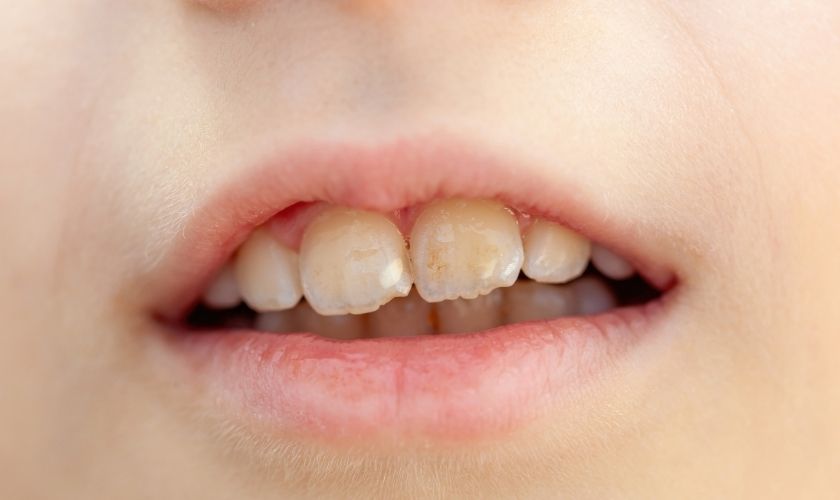
White spots on teeth are a common concern for many people. These chalky or cloudy patches can appear suddenly or gradually over time, often causing worry about enamel damage or tooth decay. In some cases, white spots may indicate early enamel loss, while in others they may result from mineral imbalances, braces, fluorosis, or poor oral hygiene habits. Understanding the cause behind these spots is important because enamel plays a major role in protecting your teeth from sensitivity, cavities, and long-term damage.
At Mid-County Endodontic Group, P.A., patients in Ridgewood and Westwood often ask whether white spots are harmless cosmetic issues or signs of a deeper dental problem. The answer depends on several factors, including the appearance, location, and progression of the spots.
What Are White Spots on Teeth?
White spots are areas where the enamel has lost minerals. Healthy enamel is smooth and slightly translucent, but when minerals such as calcium and phosphate are removed, the surface can appear dull or chalky white. These spots may develop on one tooth or several teeth and can vary in size and intensity.
White spots are often easier to notice after teeth whitening treatments because the surrounding enamel becomes brighter while the affected areas remain opaque.
Can White Spots Mean Enamel Loss?
Yes, white spots can sometimes be an early sign of enamel loss. This process is known as demineralization. When acids from plaque, sugary foods, or bacteria repeatedly attack the enamel, minerals begin to break down. Before a cavity forms, the tooth may first develop a white spot lesion.
These early warning signs should not be ignored because untreated enamel loss can progress into tooth decay, sensitivity, and structural damage. However, not every white spot automatically means severe enamel erosion. Some causes are cosmetic or developmental rather than destructive.
Common Causes of White Spots on Teeth
Poor Oral Hygiene
Inadequate brushing and flossing allow plaque to build up around the teeth. Plaque bacteria produce acids that weaken enamel and create white spot lesions. This is especially common around orthodontic brackets, where cleaning is more difficult.
Fluorosis
Dental fluorosis occurs when excessive fluoride is consumed during childhood while teeth are still developing. Mild fluorosis often appears as faint white streaks or spots. Although it changes the appearance of teeth, it does not always indicate active enamel loss.
Enamel Hypoplasia
This condition develops when enamel does not form properly during tooth development. Nutritional deficiencies, illness, or certain medications may contribute to weak or thin enamel, leading to visible white patches.
Acidic Foods and Drinks
Frequent exposure to acidic beverages such as soda, sports drinks, citrus juices, and wine can slowly erode enamel. Over time, mineral loss may create uneven white areas on the teeth.
Dry Mouth
Saliva helps neutralize acids and remineralize enamel. Reduced saliva flow increases the risk of enamel weakening and white spot formation.
Braces and Orthodontic Treatment
Patients who wear braces may notice white spots after treatment if plaque has accumulated around the brackets. These spots are signs of mineral loss caused by trapped bacteria and acids.
Symptoms That May Accompany Enamel Loss
White spots may appear alongside other symptoms that suggest weakening enamel, including:
- Tooth sensitivity to hot or cold foods
- Rough or uneven tooth surfaces
- Increased yellowing as enamel thins
- Small pits or grooves in teeth
- Greater risk of cavities
If these symptoms occur together, a dental evaluation may help determine whether enamel erosion is progressing.
Can White Spots Be Reversed?
In some cases, early enamel damage can be improved through remineralization. When treated early, minerals may be restored to weakened enamel before permanent decay develops.
Fluoride Treatments
Professional fluoride applications help strengthen enamel and encourage remineralization of early white spot lesions.
Improved Oral Hygiene
Consistent brushing with fluoride toothpaste and daily flossing can reduce plaque buildup and protect enamel from further damage.
Dietary Changes
Limiting sugary and acidic foods may help reduce enamel erosion. Drinking water regularly and rinsing after acidic meals can also support healthier teeth.
Calcium and Phosphate Products
Some dental products contain calcium phosphate compounds that help replenish lost minerals in enamel.
Cosmetic Treatments
If white spots are permanent or severe, cosmetic options such as bonding, veneers, or microabrasion may improve the appearance of teeth.
How Dentists Diagnose White Spots
A dentist examines the texture, depth, and location of white spots to determine their cause. Some spots are superficial, while others may indicate deeper enamel weakening. X-rays and clinical evaluations can help identify whether decay is developing beneath the enamel surface.
Patients in Ridgewood and Westwood who notice new white spots should consider having them evaluated before the condition worsens. Early treatment is usually less invasive and more effective.
Preventing White Spots and Enamel Damage
Preventive care is the best way to protect enamel and reduce the appearance of white spots. A few simple habits can make a significant difference:
- Brush twice daily with fluoride toothpaste
- Floss every day
- Limit sugary snacks and acidic drinks
- Drink plenty of water
- Schedule regular dental cleanings
- Wear orthodontic appliances as directed
- Use fluoride products appropriately
Maintaining strong enamel helps preserve both the health and appearance of your smile.
When Should You See a Dental Professional?
White spots that continue spreading, become more noticeable, or are accompanied by sensitivity should not be ignored. Although some white spots are harmless, others may represent the earliest stage of tooth decay or enamel erosion.
At Mid-County Endodontic Group, P.A., patients receive evaluations to determine the underlying cause of enamel changes and discuss appropriate treatment options. Visit our dental office located at Ridgewood and Westwood if you notice persistent white spots or signs of enamel weakness. Early care may help prevent more extensive dental problems later on. If sensitivity or discoloration continues to worsen, book an appointment for a professional assessment.
Frequently Asked Questions
1. Are white spots on teeth always permanent?
Some white spots can fade with remineralization treatments and improved oral hygiene. Others caused by fluorosis or enamel defects may remain without cosmetic treatment.
2. Do white spots mean I have cavities?
Not always. White spots may indicate early demineralization before cavities form, but they can also result from fluorosis or developmental enamel conditions.
3. Can teeth whitening remove white spots?
Whitening may make white spots more noticeable because the surrounding enamel becomes brighter. Some cosmetic treatments are better suited for reducing their appearance.
4. Are white spots after braces common?
Yes. Plaque buildup around brackets can weaken enamel and create white spot lesions during orthodontic treatment if oral hygiene is inadequate.
5. Can enamel grow back after damage?
Enamel cannot fully regenerate once lost, but early mineral loss can often be repaired through remineralization treatments and fluoride therapy.
6. What foods contribute to enamel loss?
Sugary snacks, soda, citrus fruits, sports drinks, and acidic beverages can weaken enamel over time and increase the risk of white spot formation.
7. Should children with white spots see a dentist?
Yes. White spots in children may result from fluorosis, enamel defects, or early decay. A dental evaluation helps determine the exact cause and treatment needs.



New patients and emergency appointments welcome
Call Us
Request Appointment