
Ridgewood
Jaw Gets Tired When I Chew: Causes, Symptoms, and Treatment



If your jaw gets tired when you chew, talk, or eat certain foods, it may be more than ordinary muscle fatigue. Occasional tiredness can happen after chewing something tough or spending a long time eating, but repeated jaw fatigue may indicate an underlying dental or jaw-related concern.
Understanding the possible causes can help you recognize when the problem deserves professional attention.
Why Does My Jaw Get Tired When I Chew?
Your jaw relies on several muscles and joints to open, close, and move from side to side. These structures work together every time you chew. When they become overworked, irritated, or strained, you may notice tiredness, tightness, soreness, or discomfort.
One common cause is temporomandibular joint (TMJ) dysfunction. The TMJ connects your lower jaw to your skull and allows smooth jaw movement. Problems involving this joint or the surrounding muscles can make chewing feel tiring or uncomfortable.
Teeth grinding and clenching can also place extra pressure on the jaw muscles. Some people grind their teeth during sleep without realizing it, while others clench their jaw during stressful situations. Over time, this can contribute to muscle fatigue and jaw soreness.
Common Symptoms to Watch For
Jaw fatigue may occur by itself, but it can also appear alongside other symptoms. Pay attention if you experience:
- Jaw soreness or stiffness
- Clicking or popping when opening your mouth
- Difficulty opening or closing your mouth
- Pain while chewing
- Facial or temple discomfort
- Headaches, especially around the temples
- Tooth sensitivity or unexplained tooth discomfort
- A feeling that your bite has changed
These symptoms can have several possible causes, so a dental evaluation may be useful when they persist or interfere with daily activities.
Other Possible Causes
Jaw fatigue is not always related to TMJ problems. Dental issues can sometimes affect how you bite and chew, causing certain muscles to work harder than usual. A damaged tooth, missing tooth, uneven bite, or dental restoration that affects your bite may contribute to discomfort.
Inflammation around a tooth can also cause pain during chewing. In some cases, patients may notice that the jaw feels tired because they unconsciously change how they chew to avoid pressure on a sensitive area.
Less commonly, prolonged chewing, frequent gum chewing, or eating hard and chewy foods can temporarily overwork the jaw muscles. Reducing these activities may help if muscle overuse is the main cause.
When Should You See a Dentist?
Occasional jaw tiredness may not be a serious concern, particularly after prolonged chewing. However, recurring symptoms should not be ignored. Consider seeking an evaluation if the fatigue continues, becomes painful, affects your ability to eat, or occurs with clicking, locking, swelling, or limited jaw movement.
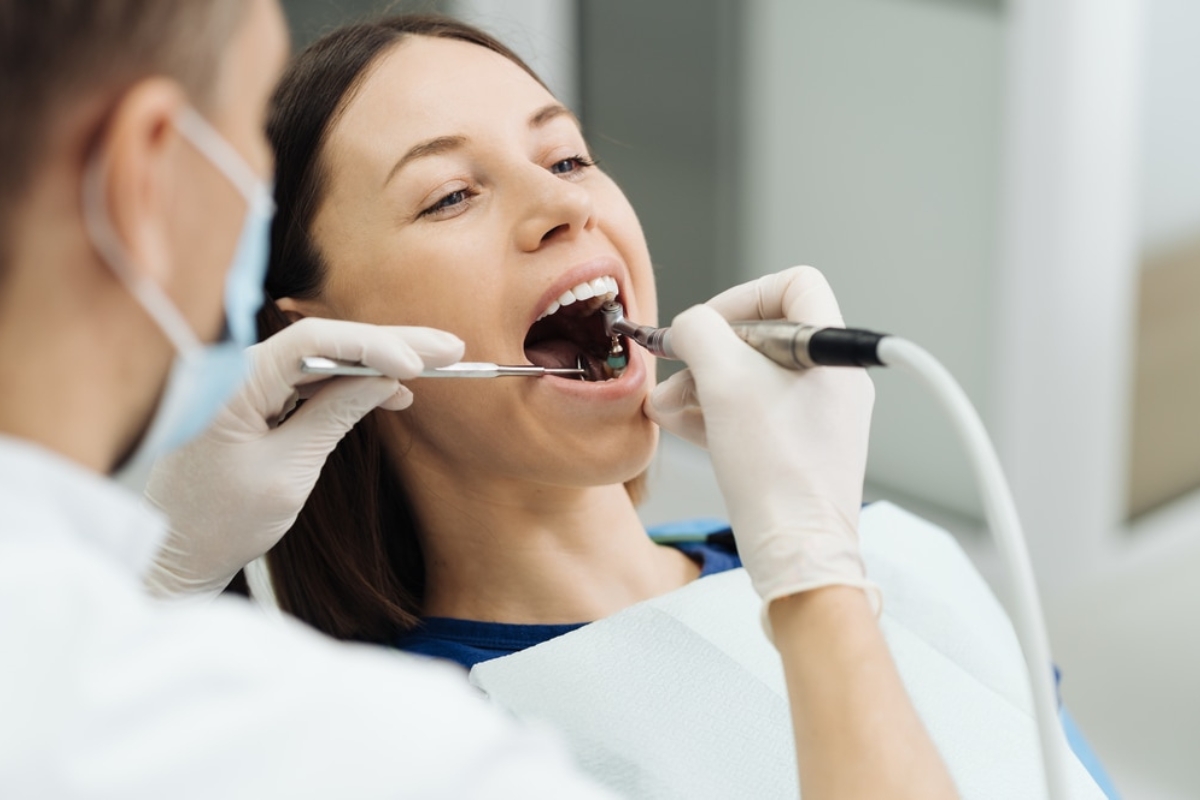
A dental professional can assess your teeth, bite, jaw movement, and surrounding tissues to help identify the likely source of your symptoms. Depending on the findings, treatment may involve addressing a dental problem, reducing strain on the jaw, managing teeth grinding, or referring you for additional TMJ care when appropriate.
Mid-County Endodontic Group can help evaluate dental concerns that may contribute to discomfort during chewing and determine whether further care is needed.
Simple Ways to Reduce Jaw Strain
While the cause of jaw fatigue is being determined, several habits may help reduce strain. Choose softer foods temporarily if chewing is uncomfortable, and avoid excessive gum chewing or very hard foods. Try to notice whether you clench your teeth during the day and consciously relax your jaw.
Good oral hygiene and regular dental examinations are also important because tooth decay, infection, damaged teeth, and bite-related problems can sometimes contribute to chewing discomfort.
If symptoms continue despite these measures, Contact Us to discuss your concerns and learn whether an evaluation may be appropriate. Depending on the cause, timely care can help prevent a minor problem from becoming more disruptive.
For patients experiencing dental discomfort or concerns that affect chewing, it can be helpful to visit our dental clinic for an evaluation tailored to the source of the symptoms.
Frequently Asked Questions
- Is it normal for my jaw to feel tired after chewing?
Occasional jaw fatigue can happen after prolonged chewing, especially with hard or chewy foods. Frequent or persistent fatigue may indicate muscle strain, clenching, bite problems, or TMJ-related concerns.
- Can teeth grinding make my jaw tired?
Yes. Repeated teeth grinding or clenching places continuous stress on the jaw muscles and joints. This may cause fatigue, soreness, headaches, tooth sensitivity, or discomfort when chewing.
- Can chewing gum cause jaw fatigue?
Frequent or prolonged gum chewing can overwork the muscles responsible for jaw movement. Cutting back on gum and allowing your jaw to rest may reduce temporary fatigue caused by muscle overuse.
- Does jaw fatigue always mean I have TMJ problems?
No. Jaw fatigue can have several causes, including muscle overuse, teeth grinding, dental problems, bite changes, or TMJ dysfunction. An examination can help distinguish between these possibilities.
- Why does my jaw get tired when eating tough foods?
Tough foods require more repetitive force and jaw movement. Eating them for extended periods can temporarily fatigue the chewing muscles, particularly if your jaw is already strained or you frequently clench.
- Can a tooth problem cause discomfort when chewing?
Yes. Tooth decay, cracks, infection, sensitivity, or other dental problems can cause pain during chewing. You may also change your chewing pattern, which can place additional strain on the jaw muscles.
- When should jaw fatigue be evaluated?
Consider an evaluation when jaw fatigue is persistent, painful, worsening, or accompanied by clicking, locking, swelling, difficulty opening your mouth, headaches, or changes in how your teeth fit together.


New patients and emergency appointments welcome
Call Us
Request Appointment