
Ridgewood
Root Canal vs. Extraction: Which Saves Your Tooth and Money


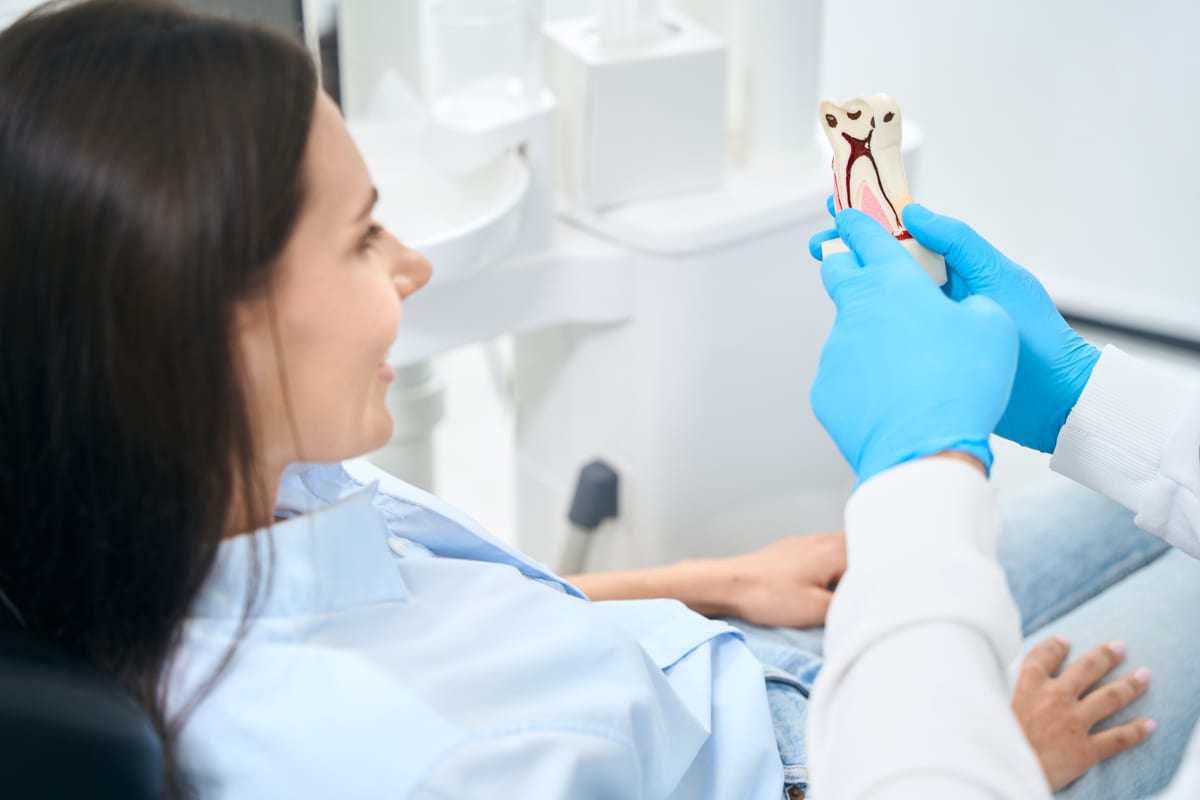
Facing a painful tooth and unsure what to do next? Many Ridgewood patients ask the same question: root canal vs. extraction — which saves your tooth and money in Ridgewood? It is one of the most important dental decisions you can make. Understanding both options helps you choose wisely for your health and your budget.
Dr. Jin Hahn at Mid-County Endodontic Group, P.A. helps patients navigate this decision every day. The right choice depends on your tooth’s condition, your long-term goals, and your overall oral health. This guide breaks it all down in plain language.
Root Canal vs. Extraction: Understanding the Core Difference
A root canal removes infected pulp tissue from inside your tooth. The tooth structure itself remains intact. Your natural tooth continues to function normally after healing. This treatment is performed by an endodontist — a specialist in saving teeth.
An extraction, on the other hand, removes the entire tooth. It is a faster procedure in many cases. However, removing a tooth creates a gap that affects nearby teeth over time. That gap can lead to shifting, bone loss, and bite problems.
Both procedures address infection and pain. The key difference is what happens after treatment. A root canal preserves your natural tooth. An extraction creates a need for a replacement solution.
Comparing Costs: Which Option Is Actually More Affordable?
Many patients assume extraction is the cheaper choice. That assumption is often misleading. The upfront cost of extraction may be lower. But the total long-term cost is frequently much higher.
After extraction, most dentists recommend a replacement tooth. Common options include:
- Dental implants — a titanium post surgically placed in the jawbone
- Fixed dental bridges — a prosthetic anchored to neighboring teeth
- Partial dentures — a removable replacement option
These replacement options add significant cost to the original procedure. A root canal followed by a crown often totals less than extraction plus implant. When you factor in the full picture, saving your natural tooth is usually the smarter financial decision.
Bone loss after extraction can also require additional procedures. Bone grafts and sinus lifts add cost before an implant can even be placed. These complications rarely occur when a natural tooth is preserved.
Long-Term Health Impact: What Happens After Each Procedure?
Your natural teeth are irreplaceable in many ways. They maintain jawbone density through chewing pressure. They keep neighboring teeth properly aligned. They support your facial structure over decades of use.
When a tooth is extracted, the bone beneath it begins to shrink. This process is called resorption. It can cause neighboring teeth to tilt or drift into the empty space. Over time, this affects your bite and can even change your facial appearance.
A root canal stops infection without sacrificing the tooth. Healing typically takes a few weeks. Once a crown is placed, the tooth functions like any natural tooth. Most root canal-treated teeth last for many years — sometimes a lifetime.
Patients in Ridgewood who preserve their natural teeth often experience better oral health outcomes long-term. Fewer follow-up procedures are needed. Bite alignment stays stable. And the jawbone remains strong and healthy.
When Is Extraction the Right Choice in Ridgewood?
Root canals are not always possible. Some teeth are simply too damaged to save. In these situations, extraction is the appropriate and necessary choice. Dr. Hahn will always assess whether your tooth can be preserved first.
Extraction may be recommended when:
- The tooth is severely fractured below the gum line
- Bone loss around the tooth is extensive and irreversible
- The tooth cannot structurally support a crown after treatment
- Infection has spread in a way that root canal cannot fully resolve
- The tooth is a wisdom tooth causing crowding or impaction
In emergency situations, quick decisions matter. If you are experiencing severe pain or swelling, our Emergency Services Ridgewood team is equipped to evaluate your tooth and recommend the safest path forward. Getting seen quickly can often make the difference between saving a tooth and losing it.
When extraction is necessary, our team discusses replacement options right away. We help patients plan for implants or bridges so bone loss can be minimized. Early action leads to better outcomes.
What to Expect During Root Canal Treatment at Mid-County Endodontic Group
Many patients fear root canals based on outdated myths. Modern root canal therapy is comfortable and efficient. Most patients report that the procedure feels similar to getting a filling. The goal is always to relieve pain — not create it.
Here is what the process typically involves:
- Digital X-rays are taken to assess the tooth and infection
- Local anesthesia is applied to numb the area completely
- The infected pulp tissue is carefully removed
- The canals are cleaned, shaped, and disinfected
- The tooth is sealed and a crown is placed for protection
For patients with dental anxiety, comfort is a priority. Our practice offers Sedation Ridgewood options to help you feel calm throughout the procedure. Sedation is safe and effective for both simple and complex cases.
Laser dentistry is also available at our practice. Laser tools can improve precision during treatment. They reduce discomfort and support faster healing. This technology reflects our commitment to modern, patient-centered care.
Making the Right Decision for Your Smile in Ridgewood
The best choice between root canal and extraction depends on your specific situation. No two cases are identical. Dr. Jin Hahn provides thorough evaluations and honest recommendations. You will never be pushed toward a procedure that is not right for you.
Preserving your natural tooth is almost always the first priority. A healthy natural tooth outperforms any artificial replacement. It looks better, feels better, and supports your overall oral health more effectively.
If your tooth can be saved, a root canal is almost certainly the better option — both for your health and your finances. If it cannot, our team ensures extraction is handled gently and that your recovery plan is clear.
Patients across Ridgewood, NJ trust Dr. Hahn and the Mid-County Endodontic Group team for honest, expert guidance. We are here to help you understand your options and feel confident in your choice. Book Now to schedule your appointment with our team.
Frequently Asked Questions
Is a root canal more painful than an extraction?
Most patients find root canal treatment no more uncomfortable than a standard filling. Local anesthesia ensures the area is numb throughout the procedure. Extraction can also cause soreness during recovery. Modern techniques make both procedures far more comfortable than people expect.
How long does a root canal take to heal compared to an extraction?
Root canal recovery typically takes a few days to a week for initial soreness to subside. Extraction sites may take one to two weeks to heal, and bone remodeling continues for months. Both procedures require some rest and care afterward. Your dentist will provide specific aftercare instructions.
Does extracting a tooth always require a replacement?
Not every extracted tooth requires immediate replacement. However, most dentists recommend replacing missing teeth to prevent bone loss and shifting. The longer you wait, the more complex replacement can become. Discussing your options with Dr. Hahn right away leads to better long-term results.
Can a severely infected tooth always be saved with a root canal?
Not always. In some cases, infection or structural damage is too advanced for a root canal to succeed. Dr. Hahn will evaluate your X-rays and clinical signs before making a recommendation. When saving the tooth is possible, that option will always be considered first.
How do I know if my tooth pain requires emergency treatment?
Severe, throbbing pain, visible swelling, or a dental abscess are signs you need prompt care. Do not wait if these symptoms appear. Delaying treatment can allow infection to spread and reduce the chances of saving the tooth. Our emergency dental team in Ridgewood is available to see urgent cases quickly.


New patients and emergency appointments welcome
Call Us
Request Appointment