
Ridgewood
What Health Problems Can Poor Oral Hygiene Cause?


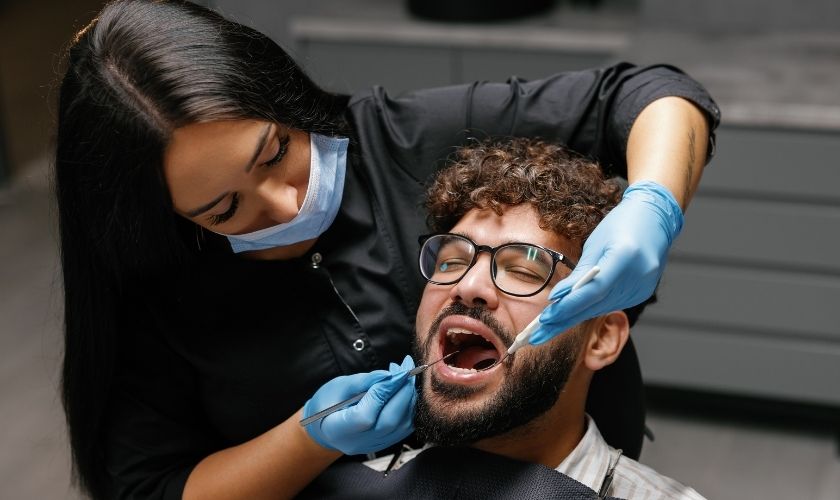
Oral hygiene is about much more than having a bright smile. The condition of your teeth and gums can directly affect your overall health and quality of life. When brushing, flossing, and routine dental care are neglected, harmful bacteria can build up in the mouth and lead to serious dental and medical complications. Many people are surprised to learn that poor oral health may contribute to conditions that affect the entire body.
At Mid-County Endodontic Group, P.A., patients in Ridgewood and Westwood often seek care after dental problems have progressed due to untreated oral hygiene concerns. Understanding the risks associated with poor oral care can help you take the right steps to protect your health.
Tooth Decay and Cavities
One of the most common problems caused by poor oral hygiene is tooth decay. When food particles and bacteria remain on the teeth, plaque forms and produces acids that attack tooth enamel. Over time, this weakens the tooth and creates cavities.
If cavities are not treated early, the decay can spread deeper into the tooth and reach the pulp, where nerves and blood vessels are located. This can result in severe pain, sensitivity, and infection. In some cases, root canal treatment may be necessary to save the tooth.
People in Ridgewood and Westwood who maintain regular brushing, flossing, and professional cleanings are far less likely to experience advanced decay and dental infections.
Gum Disease
Poor oral hygiene is also one of the leading causes of gum disease. Gingivitis, the earliest stage, develops when plaque accumulates around the gumline. Symptoms may include redness, swelling, tenderness, and bleeding while brushing.
Without treatment, gingivitis can progress into periodontitis, a more serious condition that damages the gums and supporting bone around the teeth. Advanced gum disease can cause tooth mobility, gum recession, and even tooth loss.
Gum disease is especially concerning because it often develops gradually and painlessly. Many people may not realize they have a problem until significant damage has already occurred. Visiting our dental office for routine evaluations can help detect gum disease before it becomes severe.
Persistent Bad Breath
Chronic bad breath, also known as halitosis, is another common result of inadequate oral hygiene. Bacteria trapped between teeth, on the tongue, and around the gums release unpleasant odors as they break down food particles.
While temporary bad breath can happen occasionally, persistent halitosis may indicate underlying dental problems such as gum disease, tooth decay, or oral infections. Dry mouth can also worsen the issue because saliva helps wash away bacteria.
Consistent brushing, flossing, tongue cleaning, and professional dental care can greatly reduce bacteria buildup and improve breath freshness.
Tooth Infections and Abscesses
When oral bacteria penetrate deep into a damaged tooth, an infection may develop inside the pulp chamber. If left untreated, the infection can form a painful abscess near the tooth root.
Dental abscesses may cause:
- Severe tooth pain
- Swelling in the face or gums
- Sensitivity to hot and cold
- Fever
- Difficulty chewing
In serious situations, untreated infections can spread beyond the mouth and affect surrounding tissues or other areas of the body. Early treatment is essential to prevent complications and preserve oral health.
Book an appointment if you experience prolonged tooth pain or swelling, as these symptoms should never be ignored.
Tooth Loss
Poor oral hygiene significantly increases the risk of losing teeth. Both advanced tooth decay and gum disease can weaken the structures that support the teeth. Once bone loss and severe infection occur, saving the tooth may become difficult.
Missing teeth can affect:
- Chewing ability
- Speech clarity
- Facial appearance
- Confidence and self-esteem
Tooth loss may also place extra strain on neighboring teeth, leading to bite problems and additional oral complications over time.
Increased Risk of Heart Problems
Research has shown a connection between gum disease and cardiovascular health. Oral bacteria and inflammation associated with periodontal disease may contribute to an increased risk of heart disease, clogged arteries, and stroke.
Although oral hygiene alone does not directly cause heart disease, chronic inflammation in the gums may place additional stress on the body. Maintaining healthy gums can support overall wellness and reduce inflammatory burden.
This connection highlights why oral care should be considered part of a complete healthcare routine rather than a cosmetic concern alone.
Diabetes Complications
There is also a strong relationship between oral health and diabetes. Individuals with diabetes are more vulnerable to infections, including gum disease. At the same time, severe gum disease may make it harder to control blood sugar levels.
Poor oral hygiene can create a cycle in which inflammation worsens diabetic symptoms, while uncontrolled diabetes increases the risk of oral infections. Good dental care and routine checkups are important for managing both conditions effectively.
Patients in Ridgewood and Westwood with diabetes should pay close attention to gum health and seek prompt treatment if symptoms appear.
Respiratory and General Health Issues
Bacteria from the mouth can sometimes travel into the respiratory system, especially in older adults or individuals with weakened immune systems. This may contribute to respiratory infections such as pneumonia.
Additionally, untreated oral infections can place stress on the immune system and affect overall health. Chronic inflammation in the mouth has been associated with several systemic conditions, making preventive oral care even more important.
Simple habits like brushing twice daily, flossing regularly, staying hydrated, and attending dental visits can help lower the risk of broader health complications.
Protecting Your Oral and Overall Health
Maintaining good oral hygiene is one of the simplest and most effective ways to protect your teeth, gums, and overall health. Healthy habits include:
- Brushing twice daily with fluoride toothpaste
- Flossing every day
- Limiting sugary foods and beverages
- Drinking plenty of water
- Avoiding tobacco products
- Scheduling regular dental checkups and cleanings
At Mid-County Endodontic Group, P.A., patients receive compassionate care for complex dental issues related to infection and tooth damage. Whether you are experiencing symptoms of decay, gum disease, or tooth pain, early treatment can help prevent more serious complications.
Visit our dental office to learn more about protecting your smile and supporting long-term oral health.
Frequently Asked Questions
1. Can poor oral hygiene affect overall health?
Yes. Poor oral hygiene may contribute to gum disease, infections, heart problems, diabetes complications, and other inflammatory conditions that affect the body beyond the mouth.
2. What are the early signs of gum disease?
Common signs include red or swollen gums, bleeding while brushing, persistent bad breath, gum tenderness, and mild gum recession around the teeth.
3. Can cavities lead to serious dental problems?
Untreated cavities can spread deeper into the tooth, causing infections, severe pain, abscesses, and possible tooth loss if treatment is delayed.
4. Why does poor oral hygiene cause bad breath?
Bacteria buildup on teeth, gums, and the tongue releases unpleasant odors as food particles break down, leading to persistent halitosis.
5. How often should I brush and floss my teeth?
Dentists generally recommend brushing twice daily and flossing once each day to remove plaque and reduce the risk of decay and gum disease.
6. Is tooth loss linked to poor oral hygiene?
Yes. Severe gum disease and untreated decay can weaken the structures supporting teeth, eventually leading to loose teeth or tooth loss.
7. Can oral infections spread to other parts of the body?
In some cases, bacteria from untreated dental infections may spread through the bloodstream or respiratory system and contribute to other health complications.


New patients and emergency appointments welcome
Call Us
Request Appointment