
Ridgewood
How to Get Rid of White Stains on Teeth


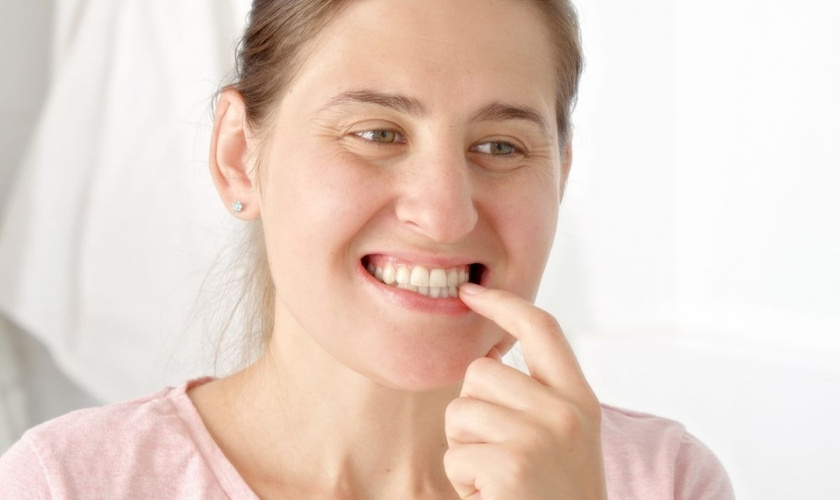
White stains on teeth can be frustrating—especially when they stand out every time you smile. Many Ridgewood residents notice these spots when brushing, flossing, or looking closely in the mirror and wonder why their teeth don’t look evenly white. The good news is that white stains are common, usually treatable, and often preventable with the right care and professional guidance.
This guide explains what causes white stains on teeth, how to reduce or remove them, and when it’s time to see a local dentist in Ridgewood for help.
What Are White Stains on Teeth?
White stains, sometimes called white spots, appear when tooth enamel loses minerals. Instead of a smooth, glossy surface, the enamel becomes porous and reflects light differently, creating a chalky or cloudy white appearance. These stains can affect one tooth or several teeth and may show up near the gumline, on the front teeth, or across the smile.
In Ridgewood, dentists often see white stains in both children and adults, especially among patients with a history of orthodontic treatment, dry mouth, or frequent acidic food and drink consumption.
Common Causes of White Stains
Enamel Demineralization
The most common cause of white stains is enamel demineralization. This happens when acids from plaque, sugary foods, or drinks pull minerals like calcium and phosphate out of the enamel. Over time, this leaves weak areas that appear white.
Poor Oral Hygiene
Inconsistent brushing and flossing allow plaque to sit on teeth for long periods. In many Ridgewood patients, white stains develop near the gumline or around braces where cleaning is more difficult.
Fluorosis
Excess fluoride exposure during childhood can lead to fluorosis, which shows up as white streaks or patches on permanent teeth. This usually happens while teeth are still developing.
Braces and Orthodontic Treatment
White stains are commonly seen after braces are removed. Plaque can easily collect around brackets and wires, and even small missed areas can lead to enamel damage.
Dry Mouth
Saliva plays a major role in protecting enamel. Conditions that reduce saliva flow, including certain medications or mouth breathing, can increase the risk of white stains.
At-Home Ways to Improve White Stains
While not all white stains can be removed at home, some mild cases can improve with consistent care.
Improve Daily Oral Hygiene
Brushing twice a day with a fluoride toothpaste and flossing daily helps stop further mineral loss and allows enamel to begin remineralizing. Electric toothbrushes are especially helpful for thorough cleaning.
Use Remineralizing Products
Toothpastes and gels containing calcium phosphate or hydroxyapatite can help strengthen enamel. Many Ridgewood dentists recommend these products for patients with early white stains.
Limit Acidic Foods and Drinks
Soda, citrus fruits, sports drinks, and wine can weaken enamel. Reducing these or rinsing with water afterward can help protect your teeth.
Avoid Aggressive Whitening
Over-the-counter whitening strips or abrasive toothpaste can make white stains more noticeable by whitening the surrounding enamel while the stains remain unchanged.
Professional Treatments That Actually Work
For moderate to severe white stains, professional dental treatments provide the best results.
Professional Teeth Whitening
In some cases, in-office whitening can blend white stains with the surrounding enamel, making them less noticeable. This works best for mild stains.
ICON Resin Infiltration
This minimally invasive treatment fills the porous enamel with a clear resin, effectively masking white stains without drilling. It’s a popular option for post-braces stains in Ridgewood.
Dental Bonding
Bonding involves applying tooth-colored resin to cover white stains and improve the tooth’s appearance. It’s quick, affordable, and ideal for front teeth.
Porcelain Veneers
For severe or widespread white stains, veneers may be recommended. These thin shells completely cover the front surface of teeth, creating a uniform and natural-looking smile.
Microabrasion
This technique gently removes a very thin layer of enamel to reduce surface-level white stains. It’s often combined with whitening for better results.
Preventing White Stains in the Future
Prevention is always easier than treatment. Ridgewood dentists often suggest:
- Brushing and flossing consistently
- Using fluoride appropriately
- Drinking plenty of water to support saliva production
- Visiting the dentist regularly for cleanings and exams
- Wearing orthodontic appliances as directed and cleaning carefully around them
Early detection during routine dental visits can stop white stains from becoming permanent.
When to See a Dentist in Ridgewood
If white stains are spreading, becoming more noticeable, or affecting your confidence, it’s time to see a dentist. A professional evaluation helps determine whether the stains are cosmetic or a sign of early decay.
Local dental offices in Ridgewood offer customized treatment plans based on the cause and severity of the stains. Whether you’re considering whitening, bonding, or advanced cosmetic options, a dentist can guide you toward the safest and most effective solution. If you’re ready to take the next step, Book an Appointment and Visit Our Dental office.
Frequently Asked question
Are white stains on teeth permanent?
Not always. Early-stage white stains caused by demineralization can often be improved or reversed with remineralization and professional treatments.
Do white stains mean cavities?
White stains can be an early warning sign of tooth decay, but they don’t always indicate a cavity. A dental exam is the best way to know for sure.
Can teeth whitening remove white stains?
Whitening may help blend mild white stains, but it doesn’t remove them completely. In some cases, it can make them more noticeable.
Are white stains common after braces?
Yes. White stains frequently appear after braces due to plaque buildup around brackets if oral hygiene wasn’t perfect during treatment.
Is ICON treatment safe?
Yes. ICON resin infiltration is a safe, minimally invasive procedure that preserves natural tooth structure.
Can children get white stains on teeth?
Yes. Children can develop white stains from fluorosis, poor oral hygiene, or early enamel damage.
How long do professional treatments last?
Results vary by treatment. Bonding may last several years, while veneers can last a decade or longer with proper care.


New patients and emergency appointments welcome
Call Us
Request Appointment