
Ridgewood
The Treatment of Traumatic Dental Injuries


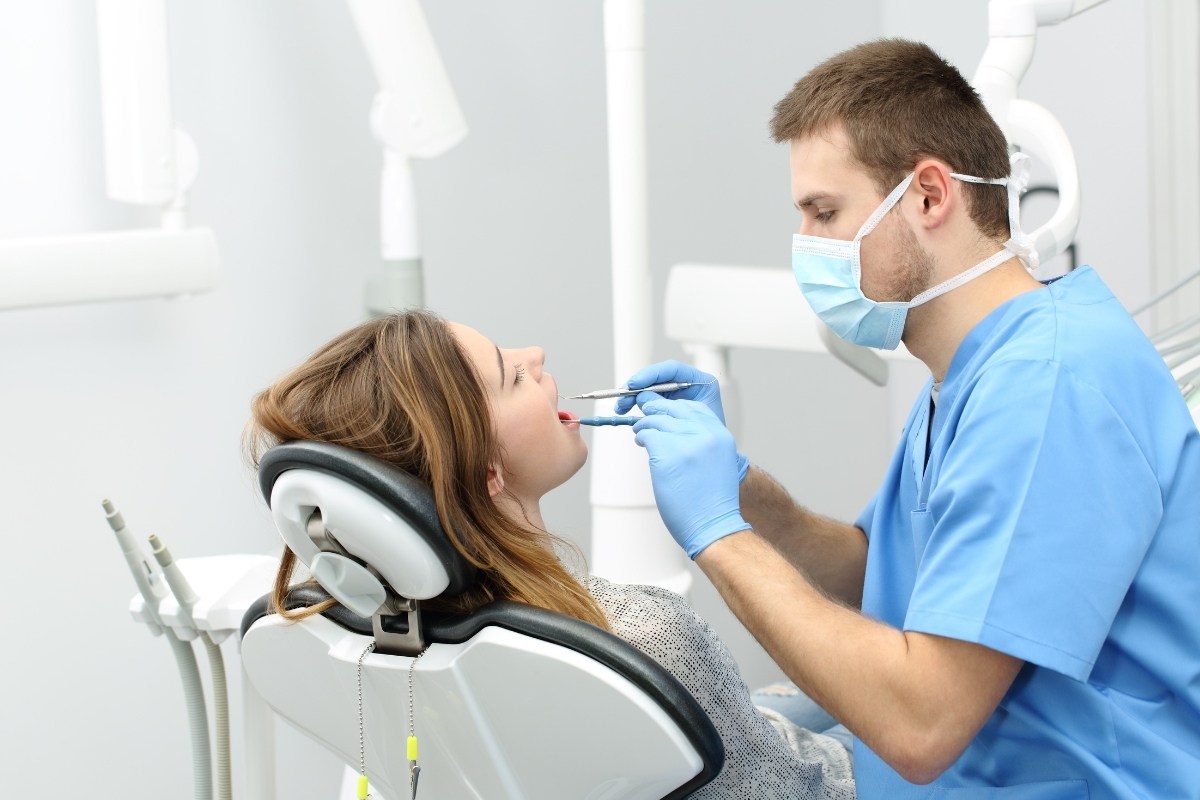
Accidents happen when we least expect them. Whether it’s from a fall, sports activity, or car accident, traumatic dental injuries can be sudden, painful, and stressful. Knowing how these injuries are treated—and how quickly you should act – can make the difference between saving and losing a tooth. Modern dentistry provides effective treatments for a wide range of dental trauma, ensuring patients can restore both function and aesthetics.
Common Types of Traumatic Dental Injuries
- Chipped or Fractured Teeth
Small chips may only require smoothing or dental bonding, while larger fractures may need crowns or even root canal treatment if the pulp is exposed. - Dislodged Teeth
Sometimes, a tooth may be pushed deeper into the socket or partially knocked out. Dentists often reposition and stabilize the tooth with splints. - Avulsed (Knocked-Out) Teeth
This is one of the most serious dental emergencies. If a tooth is knocked out, keep it moist in milk or saline solution and seek immediate dental care. Quick action within 30–60 minutes offers the best chance of saving the tooth. - Soft Tissue Injuries
The lips, cheeks, and gums may also be injured during trauma. These wounds often require careful cleaning, stitches, and follow-up care to prevent infection.
How Dentists Treat Traumatic Dental Injuries
The treatment process depends on the type and severity of the injury:
- Examination & X-rays: Dentists begin with a thorough examination and imaging to assess the extent of damage.
- Stabilization: For mobile or dislodged teeth, splints are applied to hold them in place during healing.
- Restorative Procedures: Bonding, crowns, veneers, or fillings restore damaged teeth.
- Root Canal Therapy: If the pulp is infected or exposed, root canal treatment is often necessary to preserve the tooth.
- Reimplantation: Knocked-out teeth may be replanted if immediate care is sought.
- Follow-Up: Regular checkups are critical to monitor healing and prevent long-term complications such as infection or tooth loss.
Importance of Immediate Care
Delaying treatment can worsen the outcome. For instance, a knocked-out tooth left untreated for too long may not survive reimplantation. Similarly, untreated fractures can lead to pulp infection or abscess formation. That’s why it’s vital to visit our dental office promptly when dental trauma occurs.
Preventing Traumatic Dental Injuries
While not every accident can be avoided, some preventive steps can help:
- Wear a custom mouthguard during contact sports.
- Avoid chewing hard objects like ice, pens, or hard candy.
- Practice good oral hygiene to strengthen teeth.
- Ensure children are supervised during play to minimize risks.
When to See a Dentist
Any dental trauma should be evaluated as soon as possible. Even if a tooth doesn’t hurt after an injury, hidden damage may exist. Dentists can diagnose issues early, preventing future complications. If you experience dental trauma, don’t wait – book an appointment with your trusted dentist to ensure the best possible outcome.
FAQs
1. What should I do immediately if my tooth gets knocked out?
Pick up the tooth by the crown (not the root), rinse it gently, and place it in milk or saline solution. Seek dental care within an hour for the best chance of saving it.
2. Can a chipped tooth be repaired?
Yes. Minor chips can be treated with bonding or veneers, while larger breaks may require a crown or root canal treatment.
3. How long does it take to recover from dental trauma?
Recovery depends on the injury. Minor chips may heal quickly, while root canal or reimplantation cases may require weeks or months of monitoring.
4. Are traumatic dental injuries common in children?
Yes. Children are more prone to falls and sports-related injuries, making them frequent candidates for dental trauma treatment.
5. What if I don’t feel pain after a dental injury?
Even without pain, internal damage may be present. Always see a dentist after trauma to prevent complications.



New patients and emergency appointments welcome
Call Us
Request Appointment