
Ridgewood
Is a Sore Tongue After Dental Work Normal?


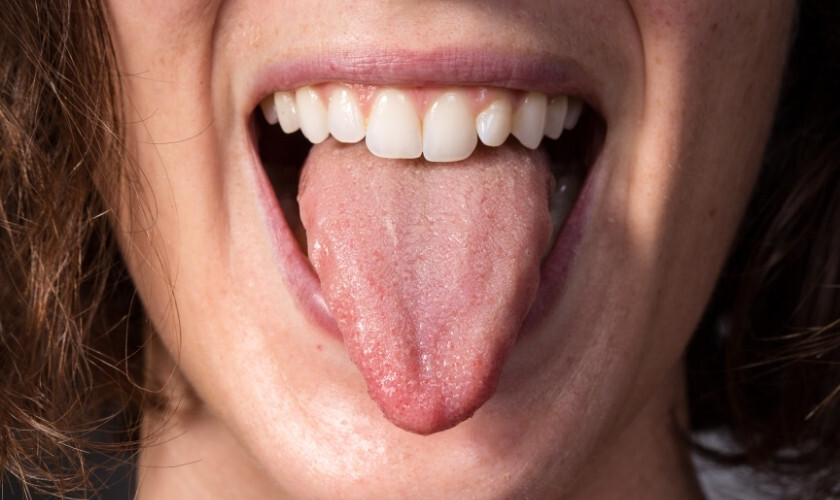
A sore tongue after dental work can be uncomfortable, especially when talking, eating, or swallowing. In many cases, mild tongue soreness is temporary and happens because the tongue may be irritated during a dental procedure. The good news is that most minor discomfort improves as the mouth heals.
However, the cause and severity of tongue soreness can vary depending on the treatment you received. Understanding what is normal can help you know when simple home care is enough and when professional evaluation may be appropriate.
Why Can Your Tongue Hurt After Dental Work?
Dental procedures require instruments, suction devices, mirrors, and other equipment to be positioned inside the mouth. Because the tongue naturally moves around the treatment area, it can sometimes experience minor irritation or pressure during an appointment.
A sore tongue may result from accidentally biting it while your mouth is numb. Local anesthesia can temporarily reduce sensation, making it difficult to judge how hard you are biting or chewing. Once the numbness wears off, you may notice tenderness, a small bite mark, or mild swelling.
The tongue can also become irritated from rubbing against dental instruments or from remaining in a particular position during treatment. If a dental procedure involved working near the tongue, temporary sensitivity may occur afterward.
How Long Should Tongue Soreness Last?
For minor irritation, tongue soreness generally improves over several days as the affected tissue heals. The exact recovery time depends on what caused the discomfort and the type of dental treatment performed.
A small bite injury may remain tender for a few days, while irritation caused by repeated contact with a sharp edge or dental restoration may continue until the source is corrected.
During recovery, avoid foods that can irritate the tongue, including very spicy, acidic, salty, or extremely hot foods. Softer foods and cool or lukewarm beverages may be more comfortable.
What Can You Do to Relieve a Sore Tongue?
Simple measures can often make temporary tongue soreness easier to manage. Rinsing your mouth gently with warm salt water may help keep the area clean and soothe irritated tissue. Avoid vigorous rinsing if you have recently undergone a procedure where your dentist gave different aftercare instructions.
Staying hydrated can also help maintain a comfortable oral environment. Choose softer foods if chewing is uncomfortable, and try to chew on the opposite side of the mouth when possible.
Good oral hygiene remains important, but brush and floss gently around sensitive areas. If your dental professional provided specific post-treatment instructions, follow those recommendations rather than replacing them with general home-care advice.
If discomfort is significant or does not appear to be improving, Contact Us for guidance about whether your symptoms should be evaluated.
When Is Tongue Pain a Reason for Concern?
Although mild soreness is common after some dental procedures, persistent or worsening symptoms deserve attention. Contact your dental professional if tongue pain becomes increasingly severe, lasts longer than expected, or interferes substantially with eating and speaking.
You should also seek professional evaluation if you notice significant swelling, persistent bleeding, a deep wound, pus, fever, or other signs that could indicate infection or a more serious injury.
A sharp or rough edge on a tooth, filling, crown, or other restoration can repeatedly irritate the tongue. If the soreness started after a new restoration and does not improve, your dentist may need to examine the area and determine whether an adjustment is necessary.
Severe swelling involving the tongue, lips, throat, or face, particularly when accompanied by difficulty breathing or swallowing, requires urgent medical attention.
Can Dental Anesthesia Cause Tongue Problems?
Local anesthesia itself does not usually cause prolonged tongue soreness, but numbness can indirectly lead to injury. While the tongue and surrounding tissues are numb, you may accidentally bite or chew them without realizing it.
For this reason, it is generally best to wait until normal sensation returns before eating unless your dental professional has provided different instructions. Be particularly cautious with hot foods and drinks because numbness can make it difficult to recognize a burn.
Once sensation returns, mild tenderness from accidental biting may become noticeable. In most minor cases, the tissue gradually heals with appropriate care.
What to Expect During Recovery
The tongue usually heals relatively quickly because it has a strong blood supply. Mild soreness should generally trend toward improvement rather than becoming progressively worse.
During healing, give the irritated area time to recover. Avoid habits that can repeatedly traumatize the tongue, such as biting, chewing on the affected area, or rubbing it against a rough tooth.
If you recently received dental treatment at Mid-County Endodontic Group, following your specific post-treatment instructions can help support a smooth recovery. Your dental professional can also determine whether the soreness is related to the procedure or another condition affecting the mouth.
Final Thoughts
A sore tongue after dental work is often temporary and may result from accidental biting, pressure, friction, or irritation during treatment. Mild discomfort that gradually improves is generally less concerning than pain that persists or becomes worse.
Pay attention to how your symptoms change over the following days. If you experience unusual swelling, significant pain, persistent bleeding, signs of infection, or difficulty breathing or swallowing, seek appropriate professional care promptly.
For additional guidance about symptoms following dental treatment, visit our dental office so the affected area can be evaluated and the cause of your discomfort can be identified.
Frequently Asked Questions
- Is it normal for my tongue to hurt after dental work?
Yes, mild tongue soreness can occur after dental treatment due to irritation, pressure, or accidental biting while numb. It usually improves gradually as the tongue heals over several days.
- Why did I bite my tongue after getting dental anesthesia?
Anesthesia temporarily reduces sensation, making it difficult to feel how strongly you are biting. Waiting until numbness wears off before chewing can help reduce the risk of accidentally injuring your tongue.
- How long does a sore tongue usually take to heal?
Minor tongue irritation often improves within a few days. Healing time varies depending on the cause, but worsening pain, persistent swelling, or symptoms that do not improve should be professionally evaluated.
- Can a filling or crown make my tongue sore?
Yes. A rough, sharp, or uneven edge on a filling, crown, or tooth can repeatedly rub against the tongue. If irritation continues after treatment, your dentist may need to check and adjust the restoration.
- What foods should I avoid with a sore tongue?
Avoid spicy, acidic, salty, crunchy, and very hot foods because they may irritate sensitive tissue. Soft, cool, or lukewarm foods are often more comfortable while the tongue heals.
- When should I worry about tongue pain after dental treatment?
Seek professional attention if pain becomes severe or worsens, or if you develop significant swelling, persistent bleeding, fever, pus, or difficulty eating. Breathing or swallowing problems require urgent care.
- Can a sore tongue be caused by accidentally biting it?
Yes. Accidental biting is particularly common while the mouth is numb after local anesthesia. A bite injury may cause tenderness or swelling, but minor injuries generally improve as the tissue heals.



New patients and emergency appointments welcome
Call Us
Request Appointment