
Ridgewood
When Do Babies Start Teething?


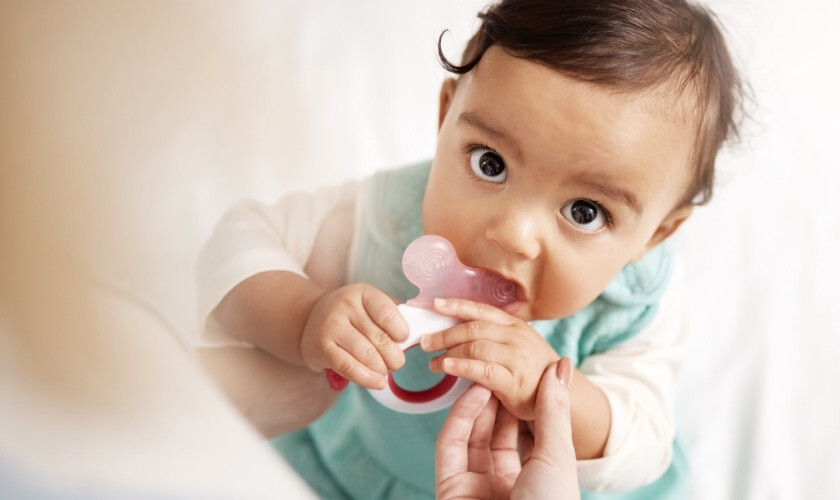
Teething is an important milestone in your baby’s development, but it can also bring questions and concerns for parents. Babies develop at different rates, so there is no single age when every child begins teething. Understanding the usual timeline and recognizing common signs can help parents know what to expect and how to keep their baby comfortable.
When Do Babies Usually Start Teething?
Most babies begin teething at around 6 months of age, although some may start as early as 3 or 4 months, while others may not have their first tooth until closer to 12 months. Both earlier and later teething can be normal.
The lower front teeth, called the central incisors, are usually the first teeth to appear. After these teeth erupt, the upper front teeth commonly follow. Over the following months, additional teeth gradually emerge until most children have their primary set of 20 baby teeth by about age 3.
Genetics can influence when a baby starts teething. If parents or siblings experienced early or late teething, a baby may follow a similar pattern.
Common Signs of Teething
Every baby experiences teething differently. Some may have noticeable symptoms, while others show very few signs before a tooth appears.
Common signs include:
- Increased drooling
- A desire to chew on toys, fingers, or other objects
- Swollen or tender gums
- Increased fussiness or irritability
- Changes in sleeping patterns
- Reduced appetite
- Rubbing the gums or face
- Mild gum sensitivity
Drooling and chewing are especially common because pressure against the gums may temporarily make them feel more comfortable.
A slight rise in body temperature can sometimes occur during teething, but teething should not cause a true fever. A temperature of 100.4°F (38°C) or higher, persistent diarrhea, vomiting, or significant illness should not automatically be attributed to teething. Parents should speak with a pediatrician if these symptoms occur.
How Can You Help a Teething Baby?
There are several simple ways to provide comfort during this stage. A clean, cool washcloth can be gently offered for your baby to chew on. A firm rubber teething ring that has been chilled in the refrigerator may also provide soothing pressure.
Avoid freezing teething toys because extremely cold objects can hurt delicate gum tissue. Parents should also avoid products containing benzocaine unless specifically recommended by a healthcare professional, as these products can pose serious risks for young children.
Gentle gum massage with a clean finger can also help. Before and after feeding, keeping your baby comfortable and maintaining good hygiene can make the teething period easier.
When Should Baby’s First Dental Visit Happen?
Dental care should begin early, even before all of your baby’s teeth have erupted. The American Academy of Pediatric Dentistry recommends that children have their first dental visit by their first birthday or within six months after the first tooth appears.
An early dental visit allows a dental professional to check tooth development, discuss oral hygiene, and provide guidance about feeding habits, fluoride, pacifiers, and preventing early childhood cavities.
Once the first tooth appears, parents can begin brushing it twice daily with a soft, small toothbrush and an appropriate amount of fluoride toothpaste. Establishing this routine early can help make brushing a normal part of your child’s daily routine.
What If My Baby Has Not Started Teething?
If your baby is approaching or has passed 12 months without a visible tooth, there is usually no reason to panic. Children develop on different schedules, and delayed tooth eruption can still be within the normal range.
However, discussing your baby’s dental development with a pediatrician or dentist can provide reassurance. A professional can evaluate overall development and determine whether any additional assessment is appropriate.
Parents should also remember that healthy teeth require care from the moment they appear. Avoid putting a baby to bed with a bottle containing milk, formula, juice, or other sugary liquids, as prolonged exposure can increase the risk of tooth decay.
Supporting Healthy Teeth From the Beginning
Teething is a temporary stage, but the habits established during infancy can influence oral health for years. Cleaning the gums before teeth erupt, brushing newly erupted teeth, limiting sugary drinks, and scheduling an early dental visit are all useful steps.
For parents who have questions about oral health, Mid-County Endodontic Group can be a resource for understanding dental care and recognizing when professional attention may be appropriate. If you have concerns about your child’s developing teeth or oral health, Contact Us to discuss your concerns with a dental professional.
As your baby grows, remember that teething timelines can vary significantly. A first tooth at four months or closer to the first birthday can both occur normally. Patience, gentle comfort, and consistent oral hygiene can help your baby move through this important developmental stage.
If you are looking for professional guidance about maintaining healthy teeth and gums, visit our dental office for appropriate dental care and recommendations based on your family’s needs.
Frequently Asked Questions
- When do most babies get their first tooth?
Most babies get their first tooth around 6 months, but normal timing varies. Some babies begin teething earlier, while others may not see a first tooth until closer to their first birthday.
- What teeth usually come in first?
The lower central incisors, or bottom front teeth, are typically the first teeth to erupt. The upper front teeth often follow, with additional primary teeth appearing gradually over the next several months.
- Does teething cause a fever?
Teething may cause mild gum discomfort and fussiness, but it should not cause a true fever. A temperature of 100.4°F (38°C) or higher may indicate illness and should be evaluated appropriately.
- How can I soothe my baby’s teething pain?
A clean, cool washcloth, chilled teething ring, or gentle gum massage can help soothe discomfort. Avoid frozen objects and ask a healthcare professional before using medication or numbing products.
- Should I brush my baby’s first tooth?
Yes. Begin brushing as soon as the first tooth appears using a soft infant toothbrush and a small amount of fluoride toothpaste. Brush gently twice a day to establish healthy oral hygiene habits.
- When should my baby first see a dentist?
A baby should generally have a first dental visit by age one or within six months after the first tooth appears. This visit helps monitor development and provides parents with preventive oral health guidance.


New patients and emergency appointments welcome
Call Us
Request Appointment