
Ridgewood
What to Do if You Have a Chipped or Broken Crown


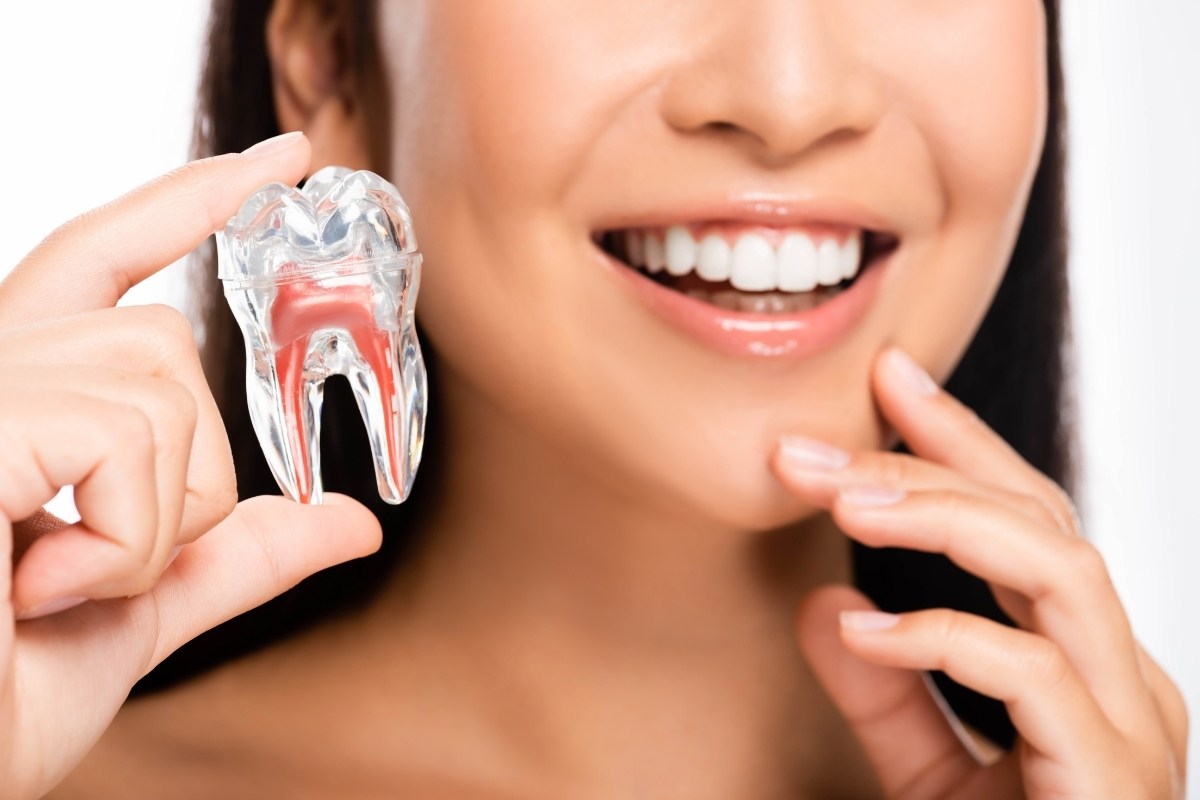
Dental crowns are designed to be strong and durable, but like natural teeth, they can still become damaged. A chipped or broken crown can be alarming, especially if it causes discomfort or affects your smile. The good news is that a damaged crown can usually be repaired or replaced with the help of your dentist. In this guide, we’ll explain what you should do if you find yourself with a chipped or broken dental crown, what causes crown damage, and the best steps to protect your oral health.
Why Do Crowns Break?
Crowns are built to last, often for 10–15 years or more, but they aren’t indestructible. Common causes of crown damage include:
- Biting hard foods or objects: Ice, hard candy, or pen chewing can crack crowns.
- Teeth grinding (bruxism): Excessive clenching puts stress on crowns.
- Accidents or trauma: A fall, sports injury, or unexpected impact may chip or break a crown.
- Wear and tear: Over time, crowns naturally weaken due to daily use.
What to Do Immediately if Your Crown Breaks
If your crown chips, cracks, or breaks, it’s important not to panic. Here’s a step-by-step guide:
- Check the damage. Look in the mirror to see how much of the crown has broken. If it’s just a small chip, it may not be an emergency, but a significant break needs urgent attention.
- Save the crown (if possible). If the crown comes off, rinse it gently and keep it in a clean container. Your dentist may be able to re-cement it temporarily or permanently.
- Avoid chewing on that side. Put less pressure on the damaged crown to prevent further damage to your tooth or gums. Stick to soft foods until you get treatment.
- Manage discomfort. If your tooth is sensitive or painful, over-the-counter pain relievers and rinsing with warm salt water can help ease irritation.
- Contact your dentist. Call your dental office as soon as possible to explain the situation. Depending on the severity, they may schedule an emergency visit.
Treatment Options for a Chipped or Broken Crown
Your dentist will examine the crown and underlying tooth to determine the best solution. Treatment may include:
- Smoothing and polishing: Minor chips can sometimes be smoothed out.
- Bonding: Small cracks may be repaired with dental resin.
- Re-cementing the crown: If the crown is intact but loose, your dentist may reattach it.
- Crown replacement: For large breaks or extensive wear, a new crown is usually the best option.
How to Prevent Future Crown Damage
- Avoid chewing ice, hard candy, or non-food items.
- Wear a nightguard if you grind your teeth.
- Use a mouthguard when playing contact sports.
- Maintain regular dental checkups to ensure your crown is in good condition.
Taking these preventive measures can extend the life of your crown and protect your natural teeth.
When to See a Dentist
Even if the break seems minor, it’s always a good idea to have your crown checked. Ignoring a damaged crown can lead to tooth decay, infection, or further breakage. If you have a broken or chipped crown, don’t wait – visit our dental office for prompt care and peace of mind. To restore your smile and prevent complications, be sure to book an appointment as soon as possible.
FAQs
1. Is a broken crown a dental emergency?
Not always, but if you’re experiencing pain, sensitivity, or a completely broken crown, it’s best to seek immediate dental care.
2. Can a dentist fix a chipped crown without replacing it?
Yes, if the damage is small, your dentist may smooth or repair the crown with bonding material. Larger breaks usually require a replacement.
3. What happens if I leave a broken crown untreated?
Leaving it untreated can expose your tooth to bacteria, increase sensitivity, and eventually cause decay or infection.
4. How long does a replacement crown take?
It usually takes two visits—one to prepare the tooth and take impressions, and another to place the permanent crown. Some offices offer same-day crowns.
5. How can I make my crown last longer?
Practice good oral hygiene, avoid chewing hard foods, and keep up with regular dental checkups to extend the life of your crown.


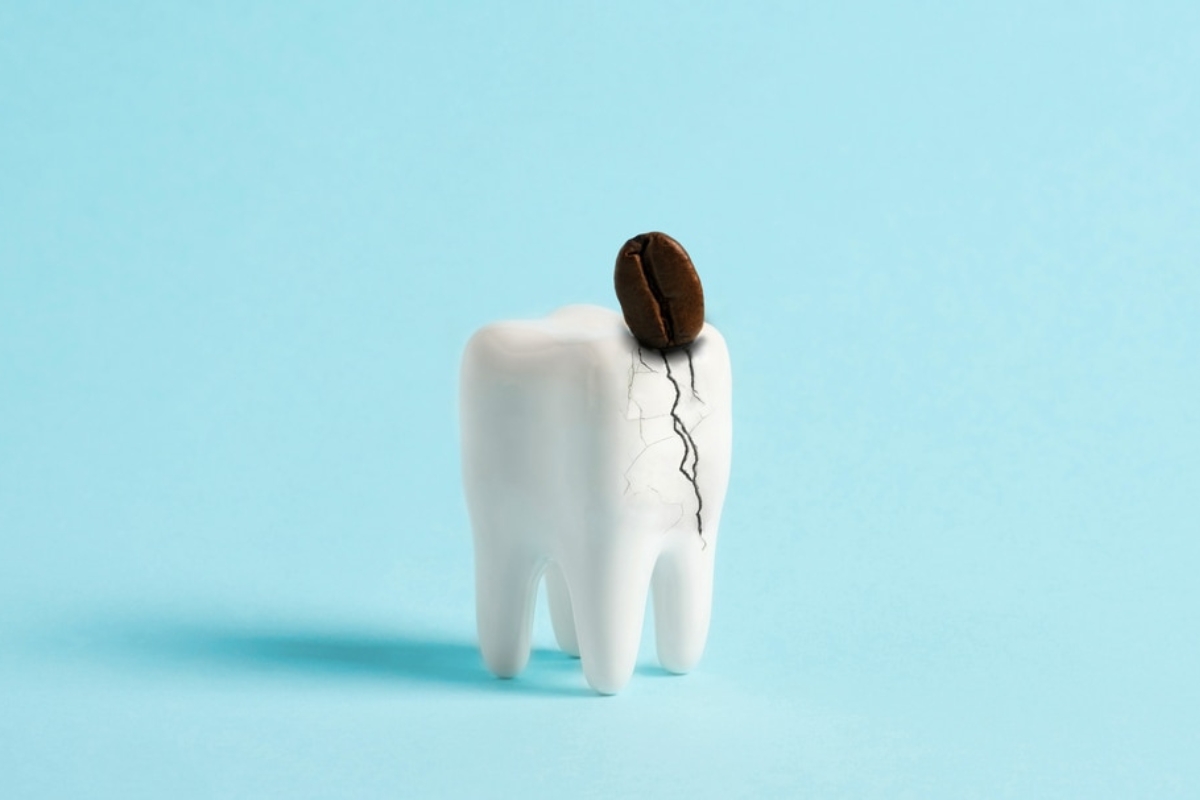
New patients and emergency appointments welcome
Call Us
Request Appointment