
Ridgewood
You Can Prevent Cracked Teeth with a Mouthguard



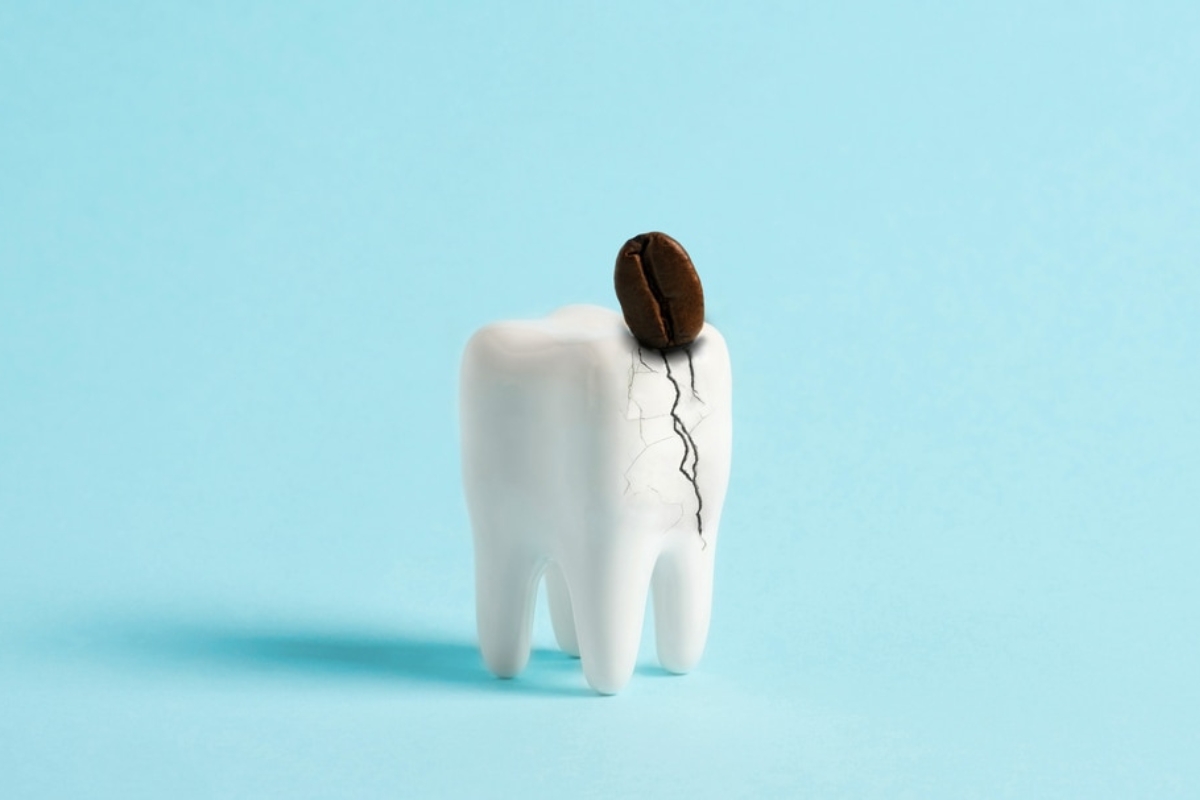
A cracked tooth may seem like a small dental issue, but it can quickly lead to pain, infection, and costly treatments if ignored. The good news is that many cracked teeth can be prevented with something as simple as wearing a mouthguard. Whether you grind your teeth at night, play contact sports, or clench your jaw under stress, a mouthguard provides essential protection that keeps your teeth safe.
In this blog, we’ll explain how mouthguards work, who needs them, and why they are one of the best investments you can make for your dental health.
Why Do Teeth Crack?
Teeth are strong, but they aren’t indestructible. Some of the most common causes of cracked teeth include:
- Bruxism (teeth grinding or clenching): Continuous grinding wears down enamel and creates stress fractures.
- Sports injuries: High-impact sports like football, basketball, hockey, or even martial arts put your teeth at risk.
- Accidents or trauma: A fall or blow to the face can easily cause cracks.
- Chewing hard objects: Ice, hard candy, and even pen-chewing habits can chip or crack teeth over time.
Left untreated, a crack can deepen and reach the pulp (nerve) of the tooth, requiring treatments like root canals or crowns.
How Mouthguards Protect Your Teeth
Mouthguards act as a cushion between your teeth and any external force. Here’s how they prevent damage:
- Absorb Shock: During sports or accidents, the guard absorbs and redistributes impact to reduce the risk of cracks.
- Reduce Grinding Damage: For people with bruxism, custom nightguards create a protective barrier so enamel doesn’t wear down.
- Prevent Costly Dental Work: A single cracked tooth can require expensive restorative procedures. A mouthguard is a small investment compared to major dental treatment.
- Improve Jaw Comfort: Nightguards can also reduce strain on your jaw muscles, helping with tension headaches and TMJ pain.
Who Should Wear a Mouthguard?
- Athletes: Anyone participating in contact or high-risk sports should wear one during practices and games.
- Bruxism patients: If you wake up with jaw pain, headaches, or chipped teeth, you may need a nightguard.
- People with dental restorations: If you have crowns, veneers, or implants, a guard can protect your investment.
Custom Mouthguards vs. Store-Bought
You can find over-the-counter mouthguards at most pharmacies, but they often don’t fit properly and may not provide the best protection. A custom-made mouthguard from your dentist offers:
- Better comfort
- Secure fit
- Maximum protection
- Durability
Your dentist takes impressions of your teeth to create a guard that perfectly matches your bite.
Taking Action: Protect Your Smile
If you’ve noticed signs of grinding or play sports regularly, now is the time to act. Don’t wait until a cracked tooth forces you into emergency treatment. Instead, visit our dental office to discuss whether a custom mouthguard is right for you. Protecting your smile today means fewer dental issues tomorrow.
If you’re ready to take the next step, you can easily book an appointment and get fitted for a professional mouthguard tailored to your needs.
FAQs
1. How long does a custom mouthguard last?
With proper care, a custom mouthguard can last 3–5 years. However, athletes or heavy grinders may need replacements sooner.
2. Can children wear mouthguards?
Yes. Mouthguards are especially important for children in sports. Since their mouths are still developing, they may need replacements more often.
3. Do mouthguards help with TMJ pain?
Yes. Nightguards can reduce clenching pressure and alleviate jaw pain associated with TMJ disorders.
4. Can I wear a store-bought mouthguard?
While store-bought guards provide some protection, they usually don’t fit as well and can be uncomfortable. A custom guard offers better long-term results.
5. How do I clean my mouthguard?
Rinse it with cool water after use, brush it gently with a soft toothbrush, and store it in a ventilated case to prevent bacteria buildup.

New patients and emergency appointments welcome
Call Us
Request Appointment