
Ridgewood
How to Get Rid of Bad Breath Permanently?



Bad breath, also known as halitosis, is a common concern that can affect your confidence and daily interactions. While chewing gum or using mouthwash may temporarily mask the odor, these quick fixes rarely address the root cause. Achieving long-lasting fresh breath requires identifying the underlying issue and maintaining healthy oral habits. Whether your bad breath is occasional or persistent, understanding its causes is the first step toward a permanent solution.
If you live in Ridgewood, taking proactive care of your oral health can help you enjoy fresher breath and a healthier smile.
What Causes Bad Breath?
Bad breath usually develops when bacteria build up in the mouth and produce foul-smelling sulfur compounds. However, several factors may contribute to persistent halitosis, including:
- Poor oral hygiene
- Gum disease
- Tooth decay or untreated cavities
- Food particles trapped between teeth
- Dry mouth caused by medications or dehydration
- Tobacco use
- Oral infections
- Certain medical conditions, such as sinus infections or acid reflux
Identifying the exact cause is essential because long-term treatment depends on addressing the source rather than simply covering the odor.
Improve Your Daily Oral Hygiene
Consistent oral care is one of the most effective ways to eliminate bad breath permanently.
Brush Thoroughly Twice a Day
Brush your teeth for at least two minutes using fluoride toothpaste. Cleaning every tooth surface helps remove food debris and plaque that contribute to odor.
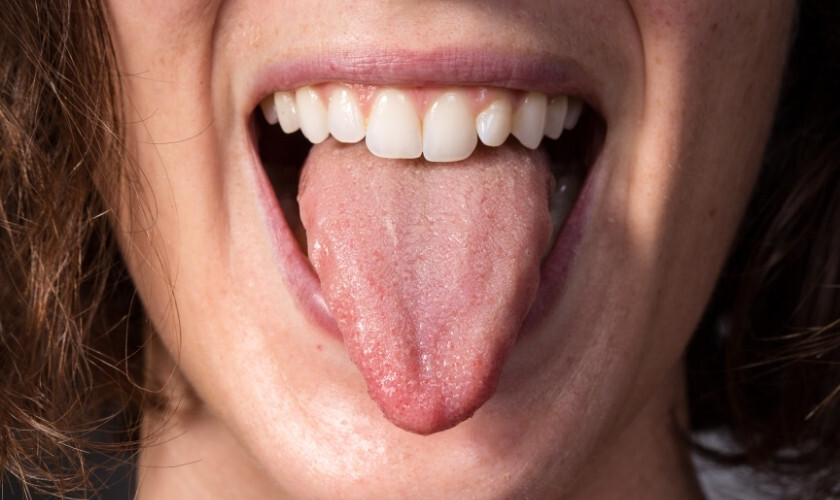
Don’t Forget Your Tongue
The tongue can trap bacteria, dead cells, and food particles. Gently brushing or scraping your tongue each day significantly reduces odor-causing bacteria.
Floss Every Day
Food trapped between teeth cannot always be removed with brushing alone. Daily flossing removes plaque and debris from hard-to-reach areas, helping prevent bad breath.
Stay Hydrated
A dry mouth allows bacteria to multiply more easily. Drinking plenty of water throughout the day helps wash away food particles and stimulates saliva production, which naturally cleanses the mouth.
Limiting excessive caffeine and alcohol consumption may also help reduce dry mouth symptoms.
Choose Foods That Support Fresh Breath
Certain foods naturally help improve breath by stimulating saliva production and reducing bacterial buildup.
Consider including:
- Fresh fruits and vegetables
- Crunchy apples and carrots
- Leafy greens
- Sugar-free gum containing xylitol
- Plenty of water
At the same time, limit foods with strong odors like garlic and onions if fresh breath is your immediate goal.
Treat Underlying Dental Problems
Persistent bad breath often signals an untreated dental issue rather than poor hygiene alone. Cavities, infected teeth, and gum disease create environments where bacteria thrive.
If your bad breath continues despite maintaining excellent oral hygiene, visiting a dental office in Ridgewood can help identify hidden problems. Professional examinations can detect issues before they become more serious.
Why Professional Dental Care Matters
Routine dental visits remove hardened plaque and tartar that cannot be eliminated with brushing and flossing at home. Professional cleanings also reduce bacteria that contribute to unpleasant breath.
At Mid-County Endodontic Group, patients receive comprehensive evaluations to identify oral conditions that may be contributing to chronic bad breath, including infections affecting the inner portion of the tooth. Early diagnosis and treatment can improve both oral health and overall comfort.
Healthy Habits for Long-Term Fresh Breath
Maintaining fresh breath is an ongoing process. Following these habits can help you enjoy lasting results:
- Brush and floss consistently.
- Clean your tongue daily.
- Stay well hydrated.
- Replace your toothbrush every three to four months.
- Avoid tobacco products.
- Schedule regular dental checkups.
- Treat dental infections promptly.
If persistent bad breath doesn’t improve with good oral hygiene, professional evaluation is recommended to determine the underlying cause.
For more information about improving your oral health, call (201) 652-3311. If you’re experiencing ongoing bad breath or other dental concerns, contact us to schedule a professional evaluation.
Frequently Asked Questions
1. Can bad breath be permanent?
Bad breath is usually treatable once its underlying cause is identified. Proper oral hygiene, dental treatment, and healthy habits often provide long-lasting improvement.
2. Does brushing my tongue really help?
Yes. The tongue collects bacteria and food debris that contribute to unpleasant odors. Daily tongue cleaning helps reduce bacterial buildup and freshen breath.
3. Can cavities cause bad breath?
Yes. Tooth decay allows bacteria to grow inside damaged teeth, creating unpleasant odors that often persist until the cavity is properly treated.
4. Why does my breath still smell after brushing?
Persistent bad breath may result from gum disease, dry mouth, oral infections, or other underlying conditions that require professional evaluation.
5. Does drinking more water improve bad breath?
Yes. Staying hydrated increases saliva production, helping rinse away bacteria and food particles while reducing dry mouth that contributes to bad breath.
6. Is mouthwash enough to cure bad breath?
Mouthwash can temporarily reduce odor, but it usually doesn’t eliminate the underlying cause. Good oral hygiene and treating dental issues are more effective.
7. Can gum disease cause chronic bad breath?
Yes. Gum disease creates pockets where bacteria accumulate, producing unpleasant odors. Treating the infection often improves breath and overall gum health.


New patients and emergency appointments welcome
Call Us
Request Appointment