
Ridgewood
How to Get Rid of White Stains on Teeth: A Complete Guide


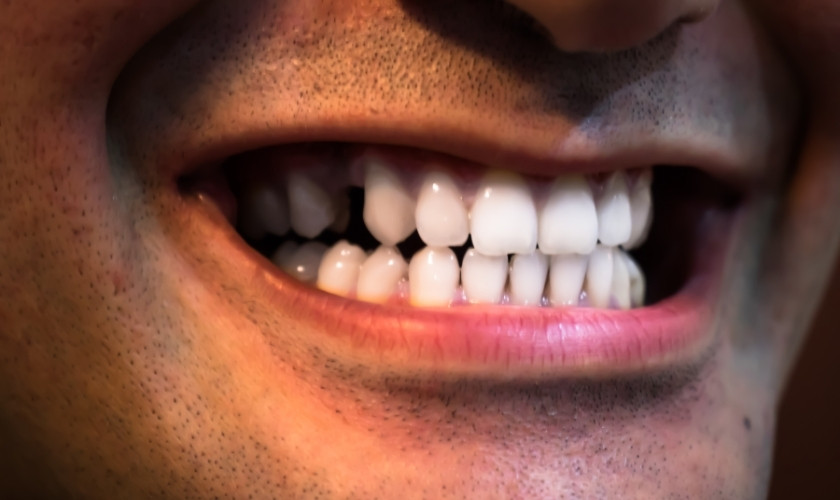
White stains on teeth can make your smile look uneven and affect your confidence. These spots often stem from enamel demineralization, braces, or fluorosis, but effective treatments exist to restore a uniform appearance.
Understanding White Stains
White stains appear as chalky or opaque patches on tooth enamel. They result from early decay where minerals are lost, excessive fluoride during tooth development (fluorosis), or plaque buildup around braces.
Common causes include acidic foods, poor oral hygiene, and dry mouth, which reduce saliva’s protective role. Unlike yellow stains from coffee or tobacco, white spots signal enamel weakness rather than surface discoloration.
In Ridgewood, many patients notice these after orthodontic treatment, seeking solutions for a brighter smile.
Home Remedies to Try
Start with gentle at-home options for mild cases, but avoid aggressive methods that erode enamel further.
Baking soda paste gently buffs surface stains—mix with water and brush twice weekly. Apple cider vinegar rinses (diluted 1:1 with water) balance mouth pH, used sparingly to prevent acid damage.
Activated charcoal absorbs toxins for brighter teeth, though evidence is anecdotal; brush lightly once a week. Boost calcium and vitamin D intake via dairy or supplements to remineralize enamel.
Oil pulling with coconut oil swishes for 10-15 minutes daily may reduce bacteria, aiding in prevention.
Professional Treatments Available
Dentists offer targeted solutions for stubborn stains, outperforming home methods in safety and speed.
Professional teeth whitening uses peroxide gels to even out color, ideal for mild spots. Topical fluoride varnishes strengthen enamel, remineralizing demineralized areas effectively.
Microabrasion removes thin enamel layers with abrasive paste, perfect for superficial fluorosis. For severe cases, bonding or veneers cover spots seamlessly.
Mid-County Endodontic Group, P.A. in Ridgewood specializes in diagnosing causes and customizing these treatments. Call +1 (201) 652-3311 for an evaluation.
Prevention Strategies
Prevent recurrence through daily habits that protect enamel.
Brush twice daily with fluoride toothpaste and floss to remove plaque. Limit sugary or acidic drinks, rinsing with water afterward.
Use fluoridated water and get professional cleanings biannually. Chew sugar-free gum to boost saliva flow post-meals.
Monitor braces care if applicable – electric toothbrushes help reach tight spots.
When to See a Professional
Home remedies suit minor spots, but consult a dentist if stains spread, persist, or accompany pain.
Professionals distinguish decay from harmless fluorosis via exam or X-rays. Early intervention prevents cavities.
In Ridgewood, visit our dental office at Mid-County Endodontic Group, P.A. for expert care—dial +1 (201) 652-3311 to schedule.
Frequently Asked Questions (FAQs)
- What causes white stains on teeth?
White stains often result from enamel demineralization due to plaque acids, fluorosis from excess fluoride, or braces-related buildup. - Can white stains on teeth go away naturally?
Mild cases may fade with remineralization via fluoride and good hygiene, but deeper spots require professional help. - Are home remedies safe for removing white spots?
Options like diluted baking soda or vinegar work for surface issues, but use them cautiously to avoid enamel wear; consult a dentist first. - How effective is teeth whitening for white stains?
Whitening evens mild spots by bleaching surrounding enamel, but it may not fix underlying demineralization—combine with fluoride. - When should I worry about white stains?
Seek care if spots enlarge, hurt, or follow trauma, as they could signal early decay needing prompt treatment. - How long do professional treatments take?
Whitening shows results in 1-3 sessions; microabrasion or bonding often completes in one visit, depending on severity.


New patients and emergency appointments welcome
Call Us
Request Appointment